
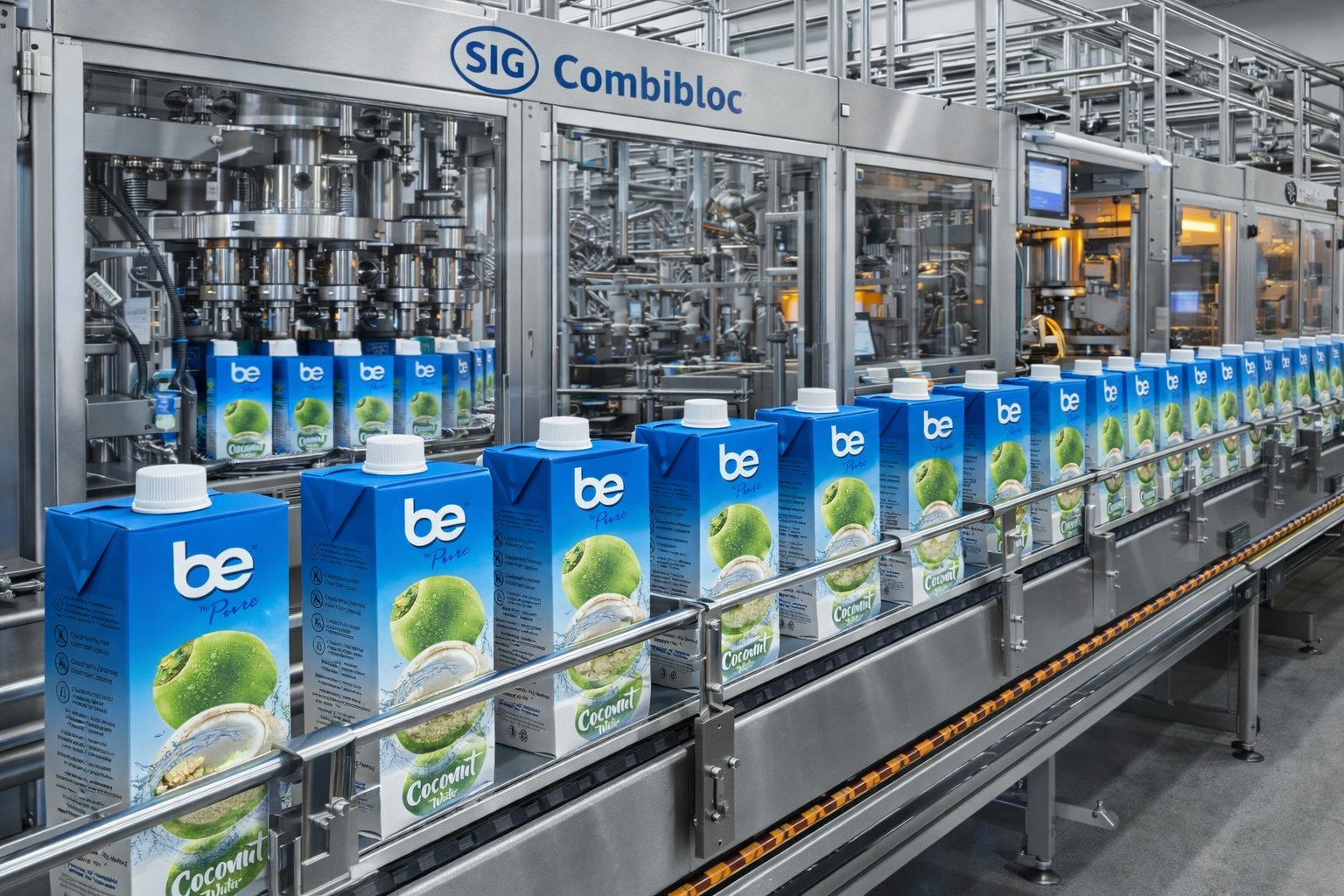
Have you ever wondered how fresh coconut water becomes the safe, shelf-stable beverage found in cans, cartons, and glass bottles around the world?
Commercial coconut water production combines fresh young coconuts with modern food processing, hygienic manufacturing, and strict quality control. Every step is carefully managed to preserve the beverage’s natural taste while ensuring food safety and consistent quality.
In this guide, we’ll walk through the journey from coconut farm to finished product.
From Coconut to Finished Beverage
Harvesting
Select young coconuts at the appropriate maturity.
Cleaning
Clean and prepare coconuts under hygienic conditions.
Extraction
Extract fresh coconut water using food-grade equipment.
Filtration
Filter and check the coconut water for consistency.
Processing
Apply controlled thermal processing for product safety.
Filling
Fill and seal the product in its final packaging.
Inspection & Export
Inspect, pack and prepare finished products for shipment.
Step 1. Harvesting Young Coconuts
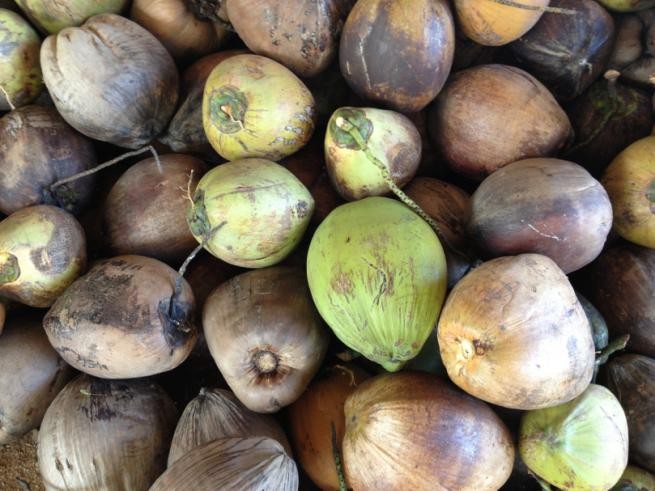
Young coconuts are harvested at the appropriate stage of maturity to achieve the desired balance of natural sweetness, aroma, and freshness. The harvested coconuts are then transported to the processing facility for further preparation.
Step 2. Cleaning and Preparation
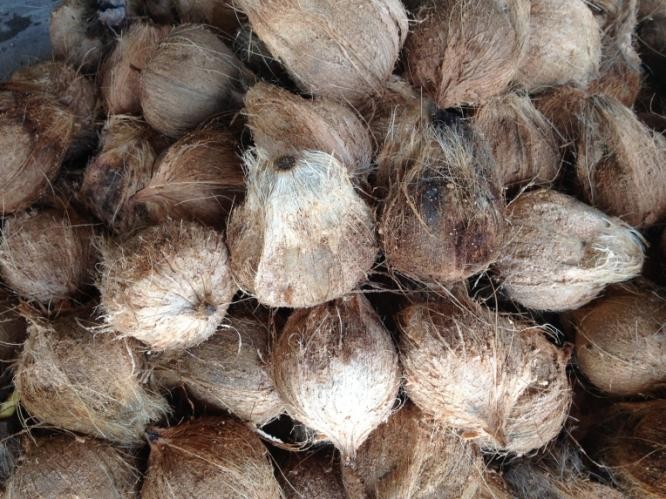
Before extraction, the coconuts are thoroughly cleaned and prepared under hygienic conditions. Proper cleaning helps reduce contamination risks before food processing begins.
Step 3. Coconut Water Extraction
Fresh coconut water is extracted using food-grade equipment and transferred into a closed processing system. This helps maintain product quality while minimizing exposure to the surrounding environment.
Step 4. Filtration and Quality Control
The extracted coconut water is filtered and checked for consistency before processing. Manufacturers monitor appearance, flavor, aroma, and product specifications to ensure each batch meets quality standards.
Step 5. Thermal Processing
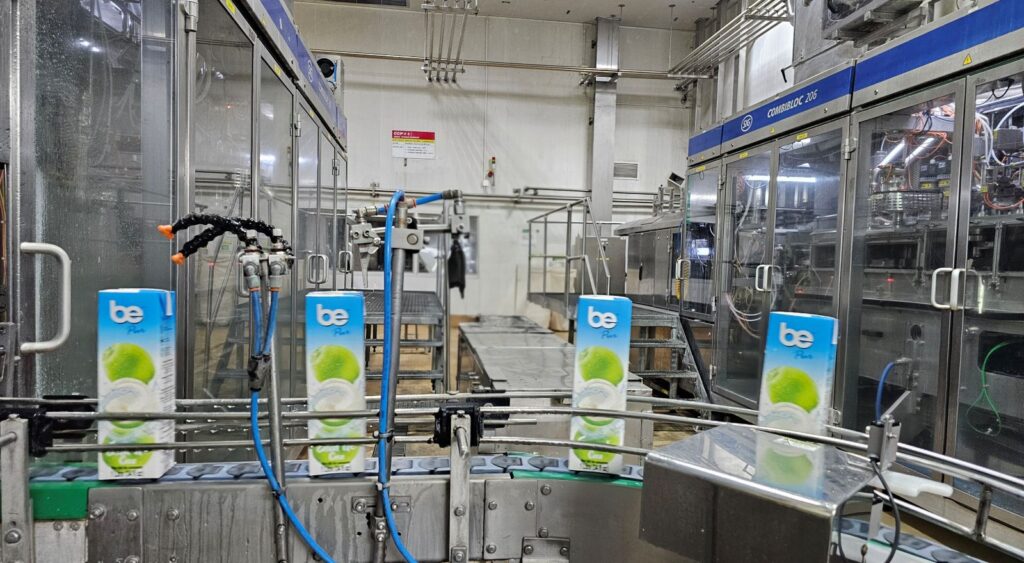
Carefully controlled thermal processing helps ensure product safety and shelf stability. The processing method may vary depending on the final packaging format, such as aluminum cans, glass bottles, or aseptic cartons.
Step 6. Filling and Sealing
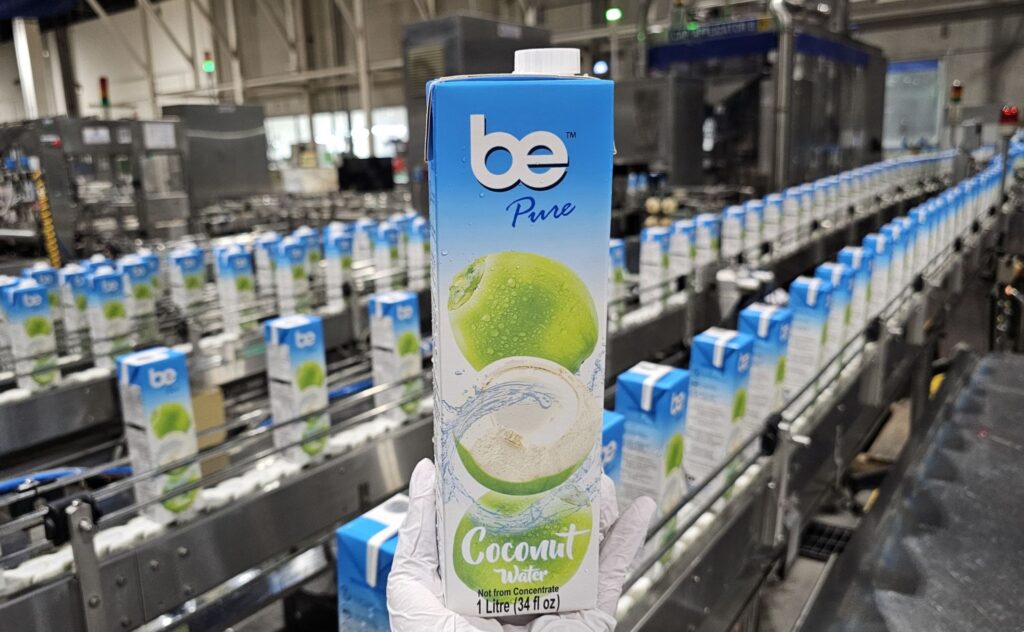
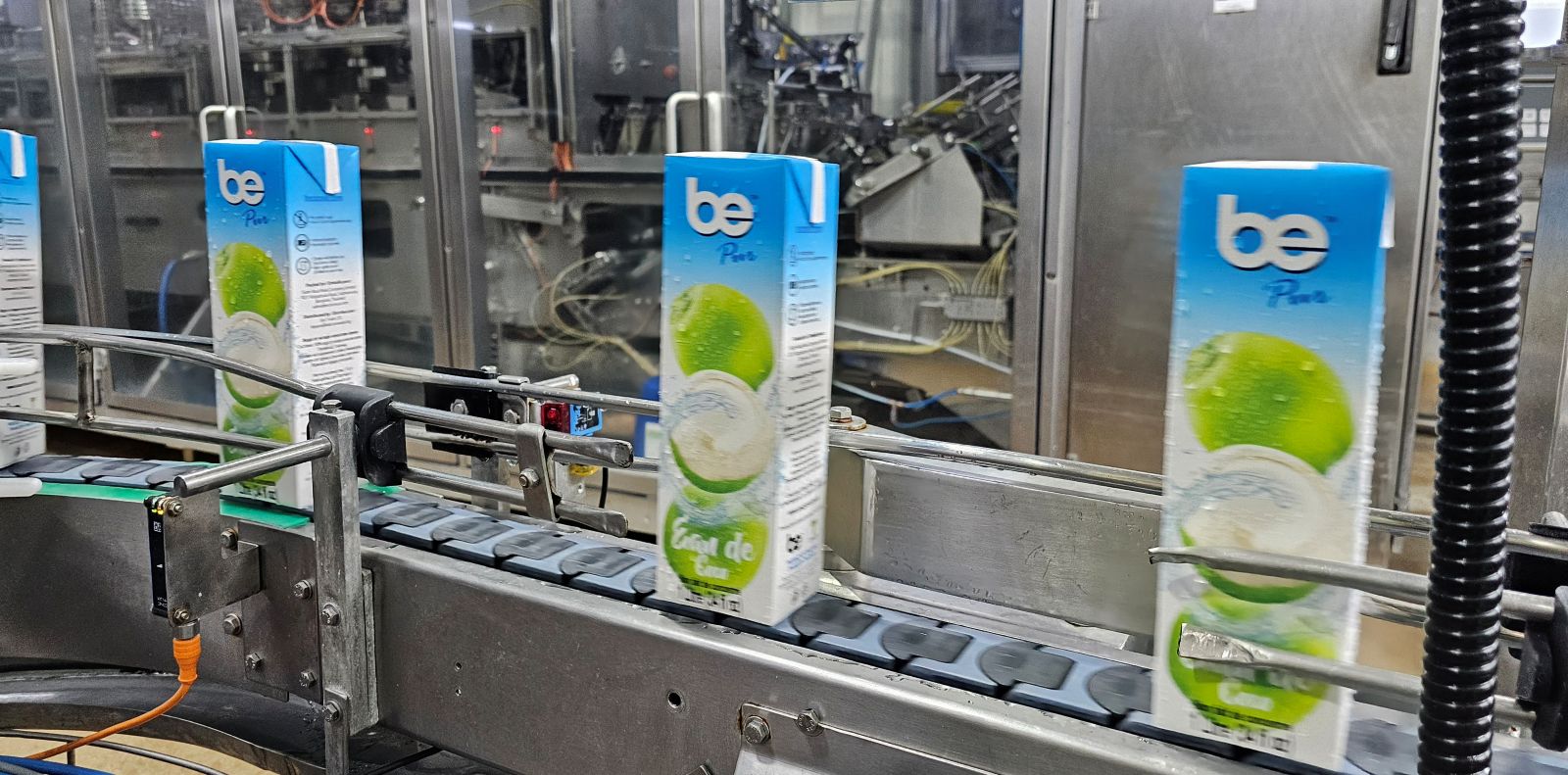
After processing, coconut water is automatically filled into its final packaging and securely sealed under hygienic conditions to maintain freshness during storage and transportation.
Step 7. Inspection and Export Preparation
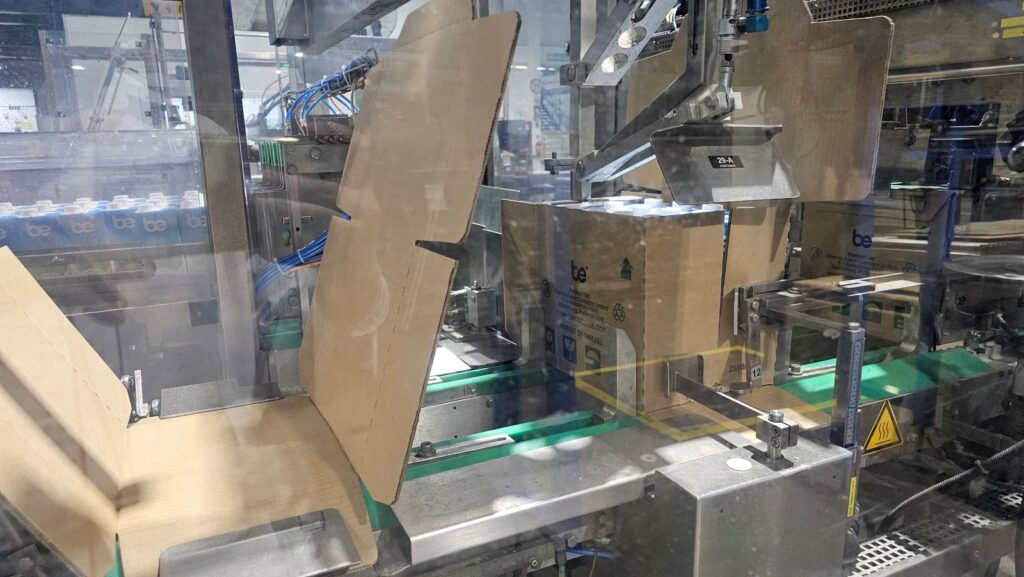
Every finished product undergoes quality inspection before export packing. Products that meet specification are packed into cartons, palletized, and prepared for shipment to customers around the world.
Coconut Water Manufacturing Process at a Glance
| Stage | Purpose |
|---|---|
| Harvesting | Select quality young coconuts. |
| Cleaning | Prepare coconuts hygienically. |
| Extraction | Collect fresh coconut water. |
| Filtration | Improve consistency and prepare the product. |
| Thermal Processing | Support product safety and shelf stability. |
| Filling | Package and seal the coconut water hygienically. |
| Inspection | Verify quality, coding and packaging integrity. |
| Export Preparation | Pack and prepare finished products for shipment. |
How Coconut Water Is Processed Safely
Throughout production, manufacturers follow internationally recognized food safety systems. Depending on the facility, certifications may include:
- BRCGS
- FSSC 22000
- ISO 22000
- GMP
- HACCP
- Halal
These standards help ensure consistent quality, traceability, and food safety throughout the manufacturing process.
Frequently Asked Questions
Is coconut water pasteurized?
Commercial coconut water undergoes carefully controlled thermal processing to help ensure product safety and shelf stability. The exact process depends on the packaging format.
Why doesn’t commercial coconut water spoil quickly?
Hygienic processing, thermal treatment, and sealed packaging help maintain product quality throughout its shelf life.
Can coconut water be exported internationally?
Yes. Properly processed coconut water is exported worldwide in aluminum cans, glass bottles, and aseptic cartons.
Does manufacturing change the taste?
Professional manufacturing is designed to preserve the beverage’s natural characteristics while ensuring consistent quality and food safety.
Final Thoughts
Producing premium coconut water involves much more than harvesting fresh coconuts. Every step—from selecting young coconuts and hygienic extraction to thermal processing, filling, quality inspection, and export preparation—helps deliver a safe, consistent product for consumers around the world.
At be™ Coconut, we manufacture premium Thai coconut water in aluminum cans, glass bottles, and aseptic cartons for both our own brand and OEM/private-label customers. Explore our Coconut Water products, learn more about our Coconut Water Manufacturer Thailand services, or contact us to discuss your next project.
Leave a Reply