Thailand is one of Asia’s major food and beverage production hubs. With strong agricultural resources, established processing industries, and extensive export experience, the country offers many opportunities for international brands looking for OEM and private label products.
But finding a food and beverage manufacturer in Thailand is only the first step. Choosing the right partner can affect everything from product quality and packaging to delivery schedules and long-term growth.
Here are the key points importers, distributors, retailers, and private label brands should consider before making a decision.
1. Start with the Right Product Expertise
Not every manufacturer specializes in the same products.
A factory may have excellent experience producing beverages but limited knowledge of dried snacks. Another may specialize in confectionery but not understand the requirements of coconut-based products.
Look for a manufacturer with proven experience in the categories you want to develop.
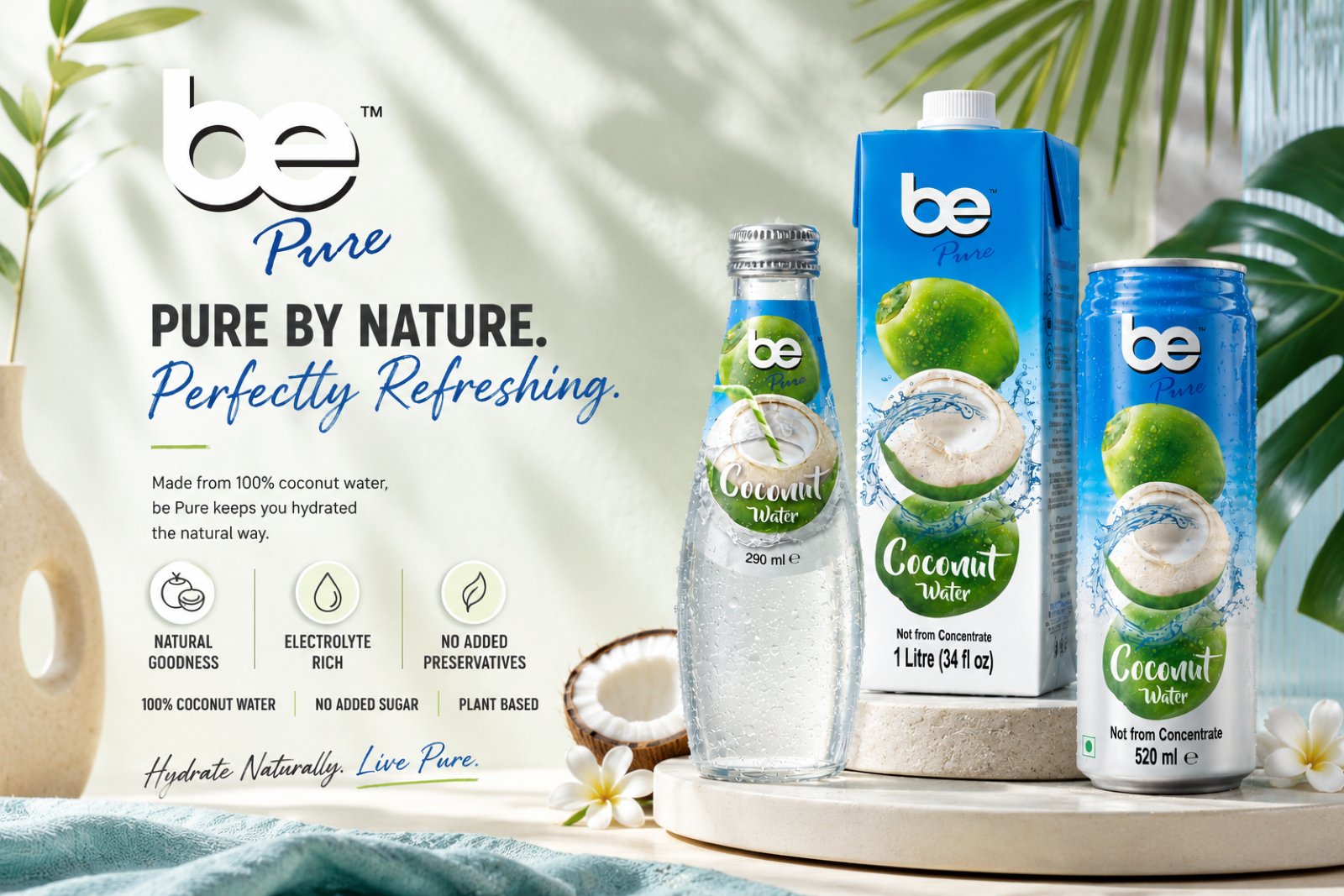
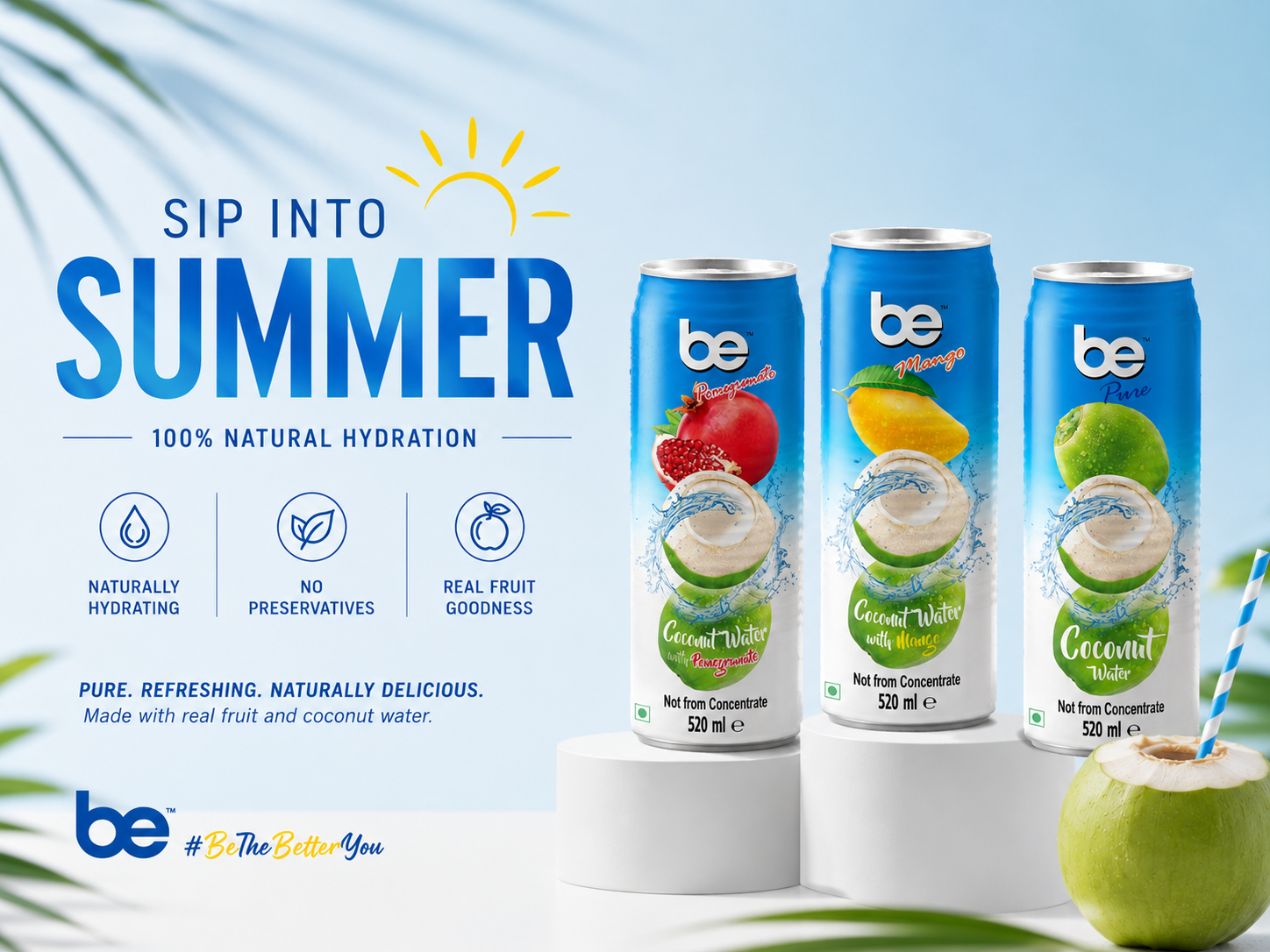
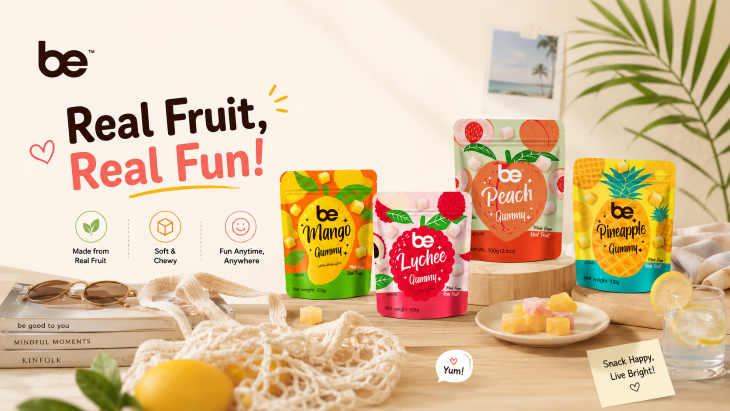
At BE Coconut, our product portfolio includes:
- Coconut water
- Coconut milk & cream
- Basil seed drinks
- Fruit gummies
- Thai dried mango
- Coconut and tropical fruit snacks
Working across several categories can also help buyers build a broader product portfolio from Thailand.
2. Check Food Safety Standards
Food safety should be one of the first things you check when evaluating any Thai food manufacturer.
Ask which certifications and quality systems apply to the factory producing your product.
Depending on the facility and product category, internationally recognized systems may include FSSC 22000, BRC, ISO 22000, GMP, and HACCP.
Certifications alone are not enough, however. Buyers should also discuss product specifications, quality-control procedures, traceability, and testing requirements.
A reliable manufacturer should be comfortable providing this information.
3. Understand MOQ Before Developing Your Brand
MOQ can become one of the biggest challenges in an OEM project.
There may actually be two different MOQs to consider:
Production MOQ – the minimum quantity the factory can efficiently produce.
Packaging MOQ – the minimum quantity required by the packaging supplier for custom printed cans, bottles, pouches, cartons, or other materials.
These quantities are not always the same.
Discuss both at the beginning of your project. This avoids spending time developing artwork or products that do not match your expected order volume.
4. Look Beyond the Product Price
The lowest unit price does not always result in the lowest total cost.
When comparing manufacturers, consider:
- Product specifications
- Packaging quality
- Carton configuration
- MOQ
- Shelf life
- Production lead time
- Export documentation
- Container loading efficiency
- Payment terms
A slightly cheaper product may become more expensive if its packaging, logistics, or MOQ does not suit your business.
Compare the complete offer rather than one number.
5. Check OEM & Private Label Capabilities
If you plan to sell under your own brand, choose a manufacturer that understands the OEM and private label process.
A typical project may involve product selection, specifications, packaging dimensions, artwork, labeling requirements, samples, production, and export documentation.
Good communication between the buyer, manufacturer, and packaging supplier becomes especially important during this stage.
Before starting, ask what can actually be customized and which elements have fixed specifications.
Learn more about BE Coconut OEM & Private Label Manufacturing.
6. Consider Packaging for Your Target Market
Good packaging does more than protect the product.
It needs to work for transportation, retail shelves, local labeling regulations, and your target consumer.
Depending on the product, options may include cans, glass bottles, beverage cartons, pouches, and other retail formats.
Think about your sales channel as well. A product designed for a convenience store may need different packaging from one sold in a supermarket, foodservice channel, or warehouse retailer.
The right food and beverage manufacturer in Thailand should help you understand the practical limitations of each packaging format before production starts.
7. Choose a Manufacturer with Export Experience
Producing a good product is only part of international business.
Export orders may require commercial invoices, packing lists, certificates of origin, health certificates, product specifications, laboratory documents, and other paperwork depending on the product and destination country.
An experienced exporter should understand how to prepare and coordinate the required documents.
Buyers should still confirm their own country’s import and labeling regulations with their importer or relevant authority, but working with an export-experienced manufacturer can make the process much smoother.
8. Communication Matters More Than You Think
OEM projects involve many details.
A small misunderstanding about artwork, carton markings, ingredients, specifications, or shipment dates can become a much larger problem after production.
Look for a supplier that answers questions clearly, confirms important details in writing, and communicates quickly when something changes.
Strong communication is particularly important if you plan to work with the manufacturer for many years rather than place a single order.
Why Manufacture Food & Beverages in Thailand?
Thailand combines strong agricultural resources with decades of food-processing and export experience.
The country is particularly well positioned for products based on tropical ingredients such as coconut, mango, pineapple, and other fruits.
For international buyers, Thailand also offers access to a wide range of manufacturing capabilities, packaging formats, and established export infrastructure.
This makes it an attractive sourcing destination for both established brands and companies developing new private label ranges.
Looking for a Food & Beverage Manufacturer in Thailand?
Choosing the right manufacturing partner requires more than comparing quotations.
Look at product expertise, food safety, MOQ, packaging capabilities, quality consistency, export experience, and communication before making your decision.
BE Coconut works with international importers, distributors, retailers, and private label brands across several Thai food and beverage categories.
If you are looking for a food and beverage manufacturer in Thailand, contact us to discuss your products, packaging, order quantity, destination market, and OEM or private label requirements.
Contact BE Coconut to discuss your next food or beverage project in Thailand.
Leave a Reply